Lab 01
AI & Robotics Lab
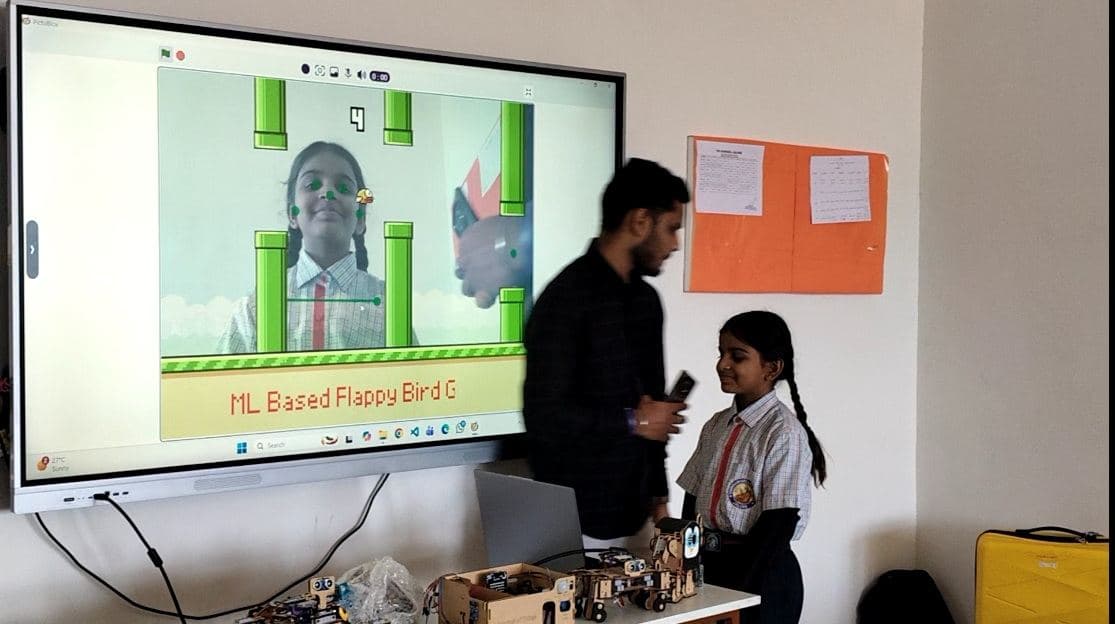
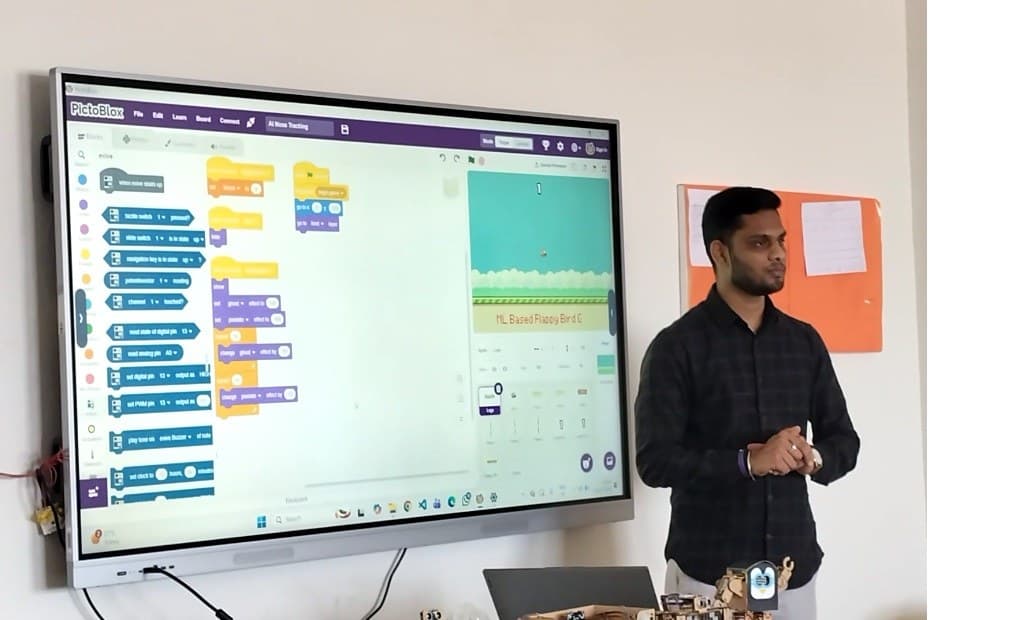
Our next-generation AI and Robotics Makerspace is designed to inspire the innovators of tomorrow. Equipped with modern microcontrollers and IoT kits, students learn to build, program, and innovate from the ground up. The curriculum focuses on hands-on project building, teaching core artificial intelligence concepts, electronics, and autonomous systems in a collaborative environment.
Lab 02
Advanced Computer Lab
Digital literacy is at the core of our educational philosophy. Our Advanced Computer Lab features high-speed internet and industry-standard software. Students engage in coding, algorithmic thinking, graphic design, and data analysis in a secure and monitored environment, preparing them for the technology-driven global landscape.
Lab 03
Chemistry & Physics Labs
Science comes alive in our fully equipped Chemistry and Physics laboratories. Designed with the highest safety standards, these labs provide students with hands-on experience in testing hypotheses, conducting experiments, and observing the fundamental laws of nature. Facilities include precise measuring instruments and complete chemical testing stations.
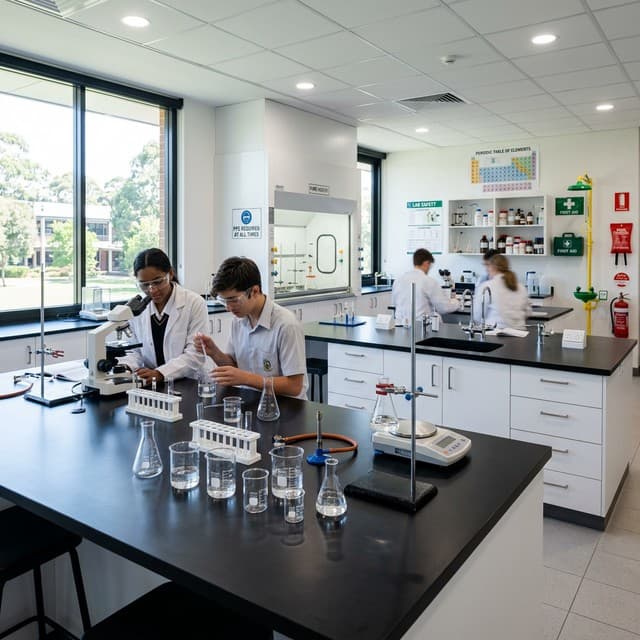 Representative image
Lab 04
Mathematics Tinkering Lab
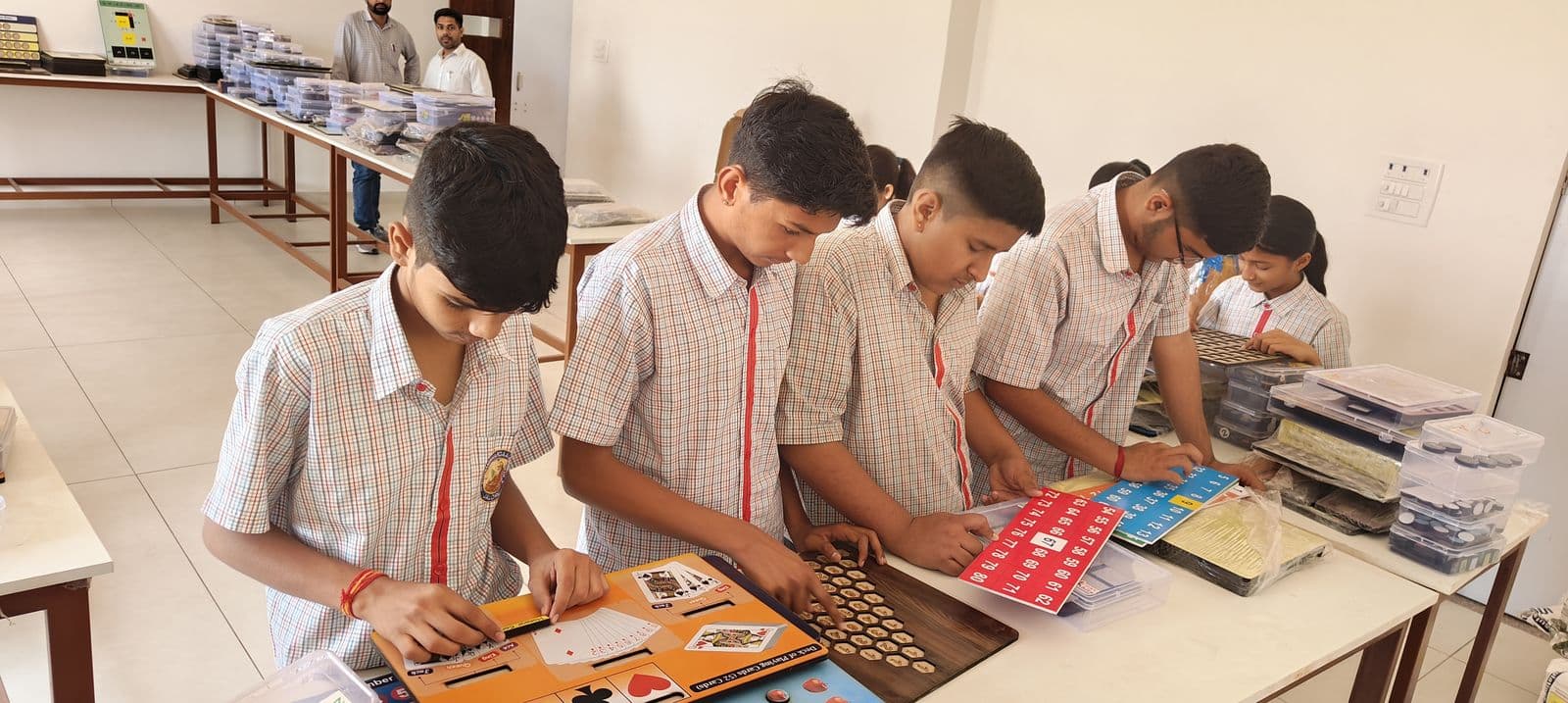
Moving beyond textbook formulas, our Mathematics Tinkering Lab is a dedicated space to make mathematics visual, tangible, and fun. Featuring physical manipulatives, 3D geometric models, and interactive puzzles, this lab helps students build strong logical foundations, conceptualize abstract mathematical theories, and develop robust problem-solving skills.
Lab 05
3D Interactive Curriculum
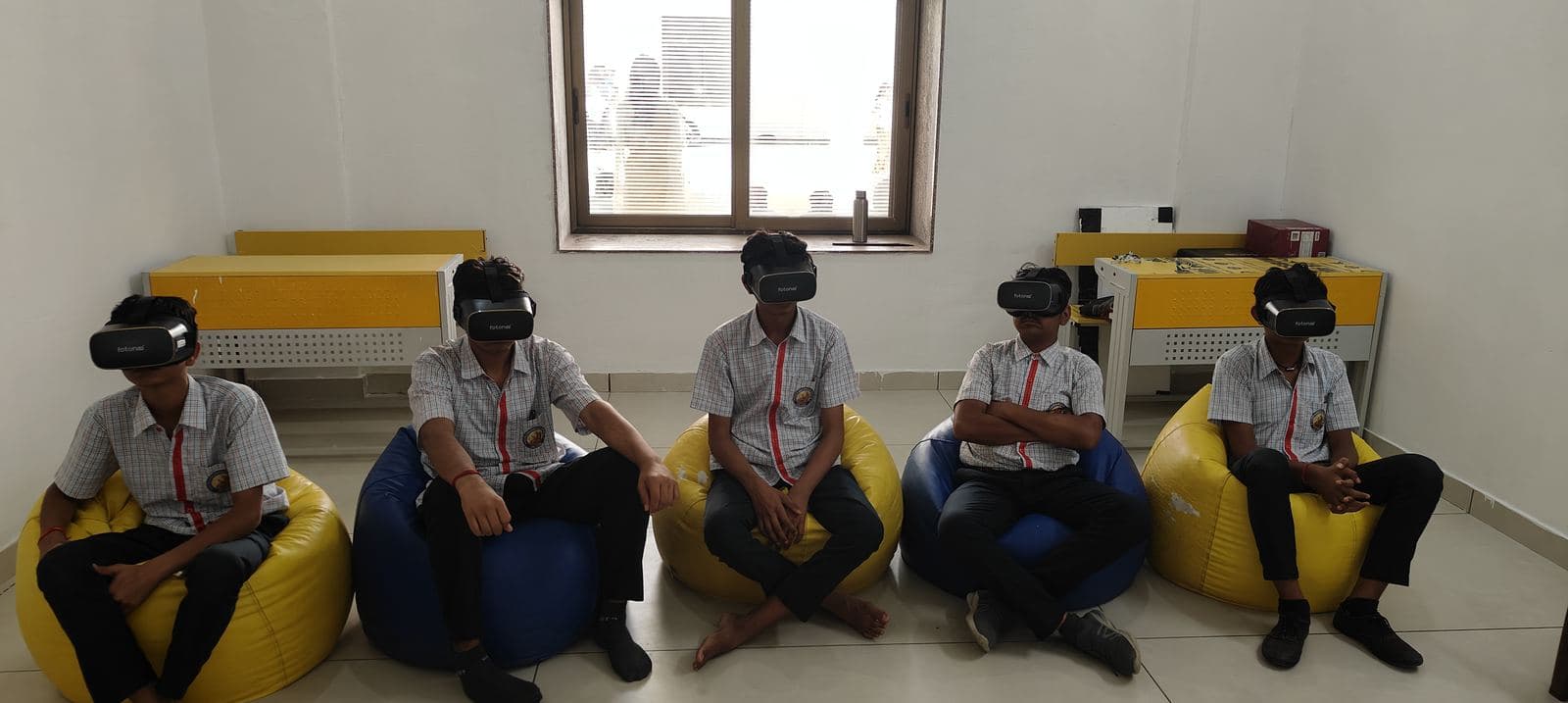
We integrate immersive 3D interactive modules tailored to STEM subjects across all grades. Using state-of-the-art visualization tools, students can explore the human anatomy in 3D, dissect complex molecular structures, and interact with virtual physics simulations. This technology bridges the gap between theoretical concepts and practical understanding.